

Veteranos
Meet our veterans
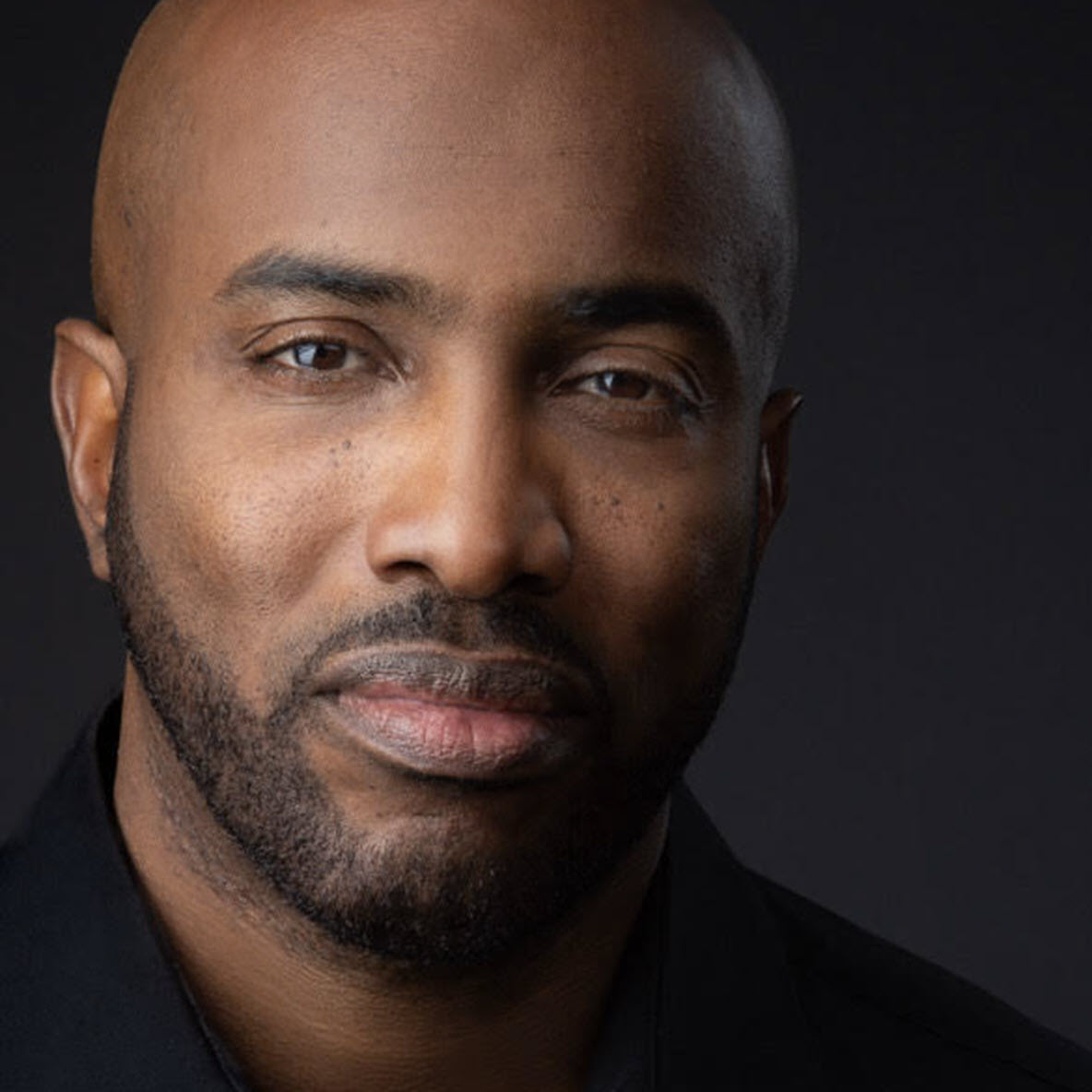
Rod Bell, Facilities Engineer
Rod Bell has woven 25 years of service in the Army Reserves into a life of impressive accomplishments. While also working in the private sector, he built an impressive resume of building project manager roles with the Army – including the national World War II Memorial and the Capitol Visitor Center in Washington D.C.
Now a facilities engineer at Corning’s Wilmington location, Rod still feels close to his veteran identity. In fact, he uses it every day when he comes to work.
"My military experience taught me how to manage people. I learned how to handle different situations, network, and always continue to work on your craft," Rod says.
A Corning employee since 2017, Rod’s community participation has been supported by the company through C-VETS, Corning’s employee resource group for veterans, and Dollars for Doers, a Corning Incorporated Foundation’s program that grants nonprofits with funds per employee volunteer hours.
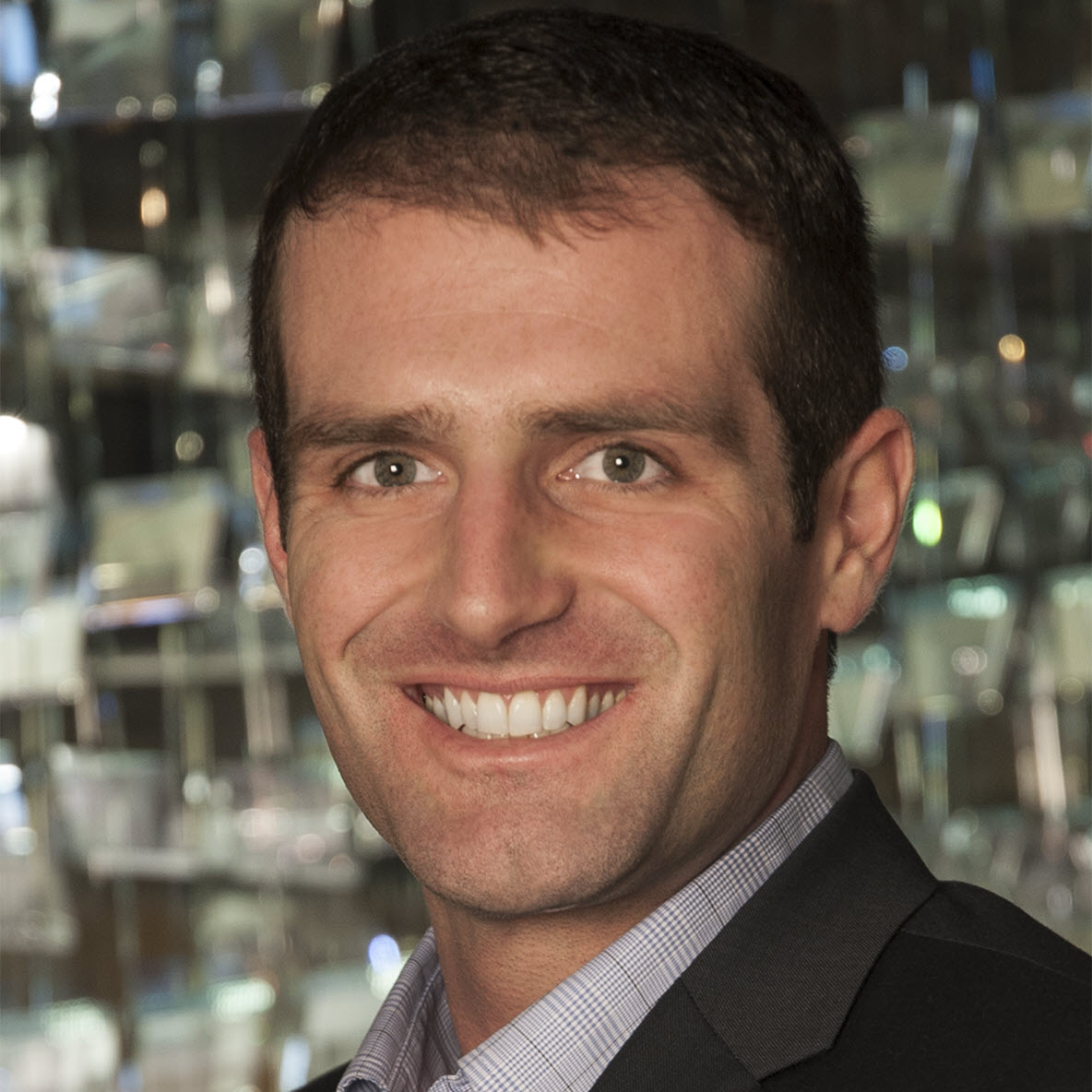
Ben Amsler, Plant Manager
“Coming out of the Army, I didn’t know what I was going to enjoy the most,” says Ben Amsler. “I had been putting on the same uniform for four years at West Point and five years in the Army, so I wanted to find a company that allowed me to explore my interests. That was one of the things that led me to Corning.”
Ben Amsler isn’t one to turn away from a challenge. After two deployments to Afghanistan, he and his wife (also a veteran) decided to start their family AND go back to school. Graduating from Duke University, Ben continued his adventure at Corning, where he could whet his appetite for his varied interests.
He held a business development role, took on office management duties, and tackled strategy – “For me, it’s about finding where I could have an impact,” Ben says.
When interviewing with Corning, he was introduced to the veteran community right away.
“Within a week, HR connected me with other veterans so I could ask them about their experience,” Ben says. “It was that first connection to Corning’s veteran community. It’s a very strong community. I’ve been at multiple different sites, and it’s strong everywhere that I’ve been. That was really what pulled me in.”
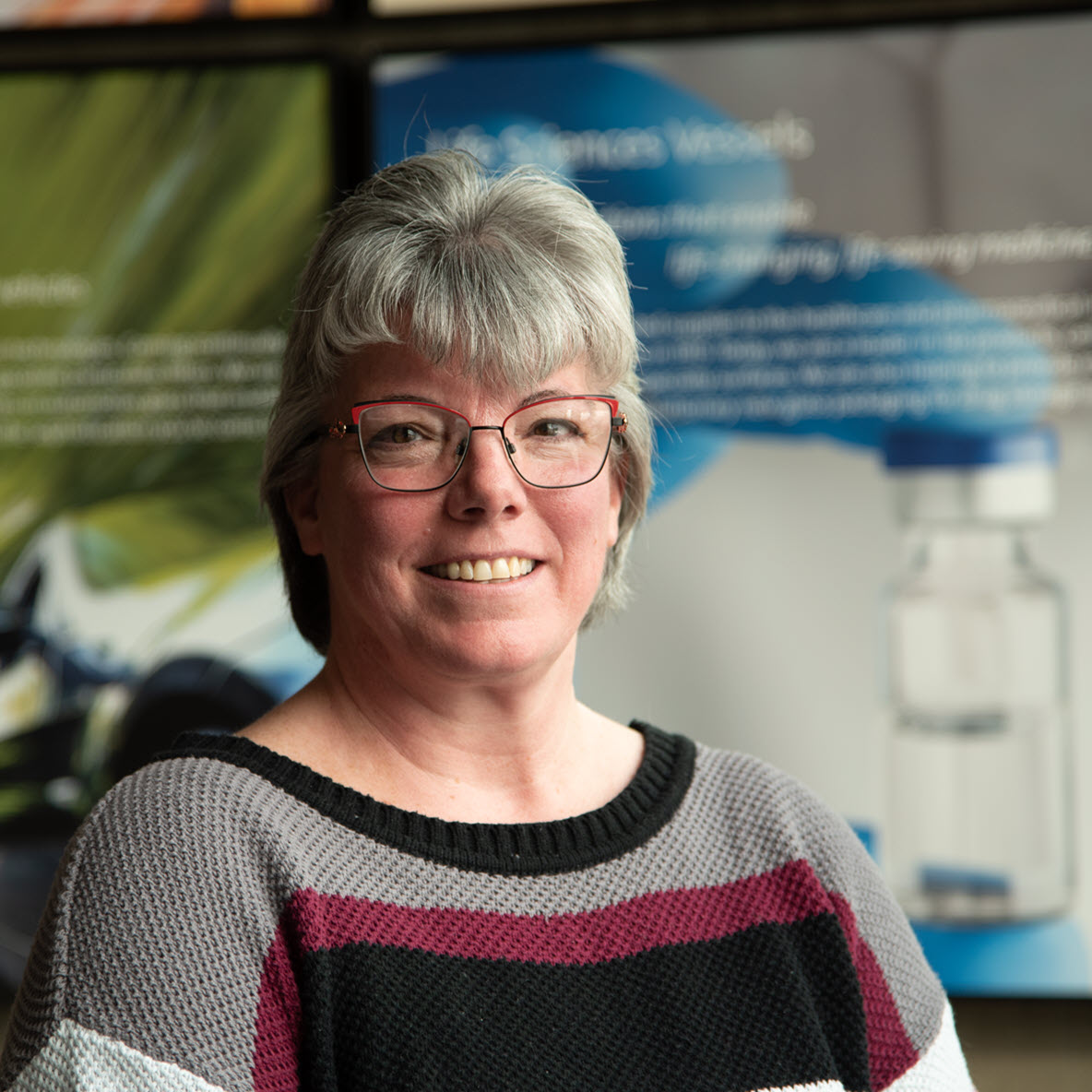
Melissa Perry, Process Engineer
Melissa served as a Navy cryptologist with top-secret clearance in Germany. That same meticulous scrutiny applies to her work at Corning. Melissa is now a process technician, who calculates the performances of Corning products by measuring load forces on glass or the retardance of a material, for example.
In the Navy, Melissa traveled around the world, learning from people and communities.
“In a way, that was my early exposure to diversity and the different cultures that we see here at Corning,” she says.
Melissa is an active member of C-VETS, Corning’s employee resource group for veterans, and she enjoys planning events for her fellow veterans – whether it’s their annual bowling game or a socially distanced hike. Around remembrance holidays, C-VETS members pay their respects at Veterans Affairs hospitals and lay wreaths at local cemeteries.
Whether in the Navy or at Corning, for Melissa, it’s all about the comradery, she says.
“Being part of C-VETS has made my veteran identity more important to me. There’s just something about being a veteran. You’re part of a fraternity,” she says.
Veterans have an unbroken bond, Melissa says. Inside jokes and playful prodding make working with veterans extra fun, she says.
“There’s a certain amount of competitiveness throughout the branches of the military,” Melissa says. “We all kind of pick on each other.”